
Company to process Russian crude only in domestic unit, navigates Western sanctions and export rules
New Delhi | Economy India Desk: Reliance Industries Limited (RIL), led by Chairman Mukesh Ambani, has resumed imports of crude oil from Russia amid strategic adjustments to Western sanction policies. According to a report by Bloomberg, the company has restarted Russian crude purchases to feed its massive Jamnagar refining complex in Gujarat — one of the world’s largest refineries — after securing a one-month exemption from the United States.
The development comes after Reliance had curtailed its Russian oil imports, following tightened sanctions by Western nations. With the latest waiver in place, nearly 15 Russian oil shipments have reportedly arrived at Jamnagar since the final week of November.
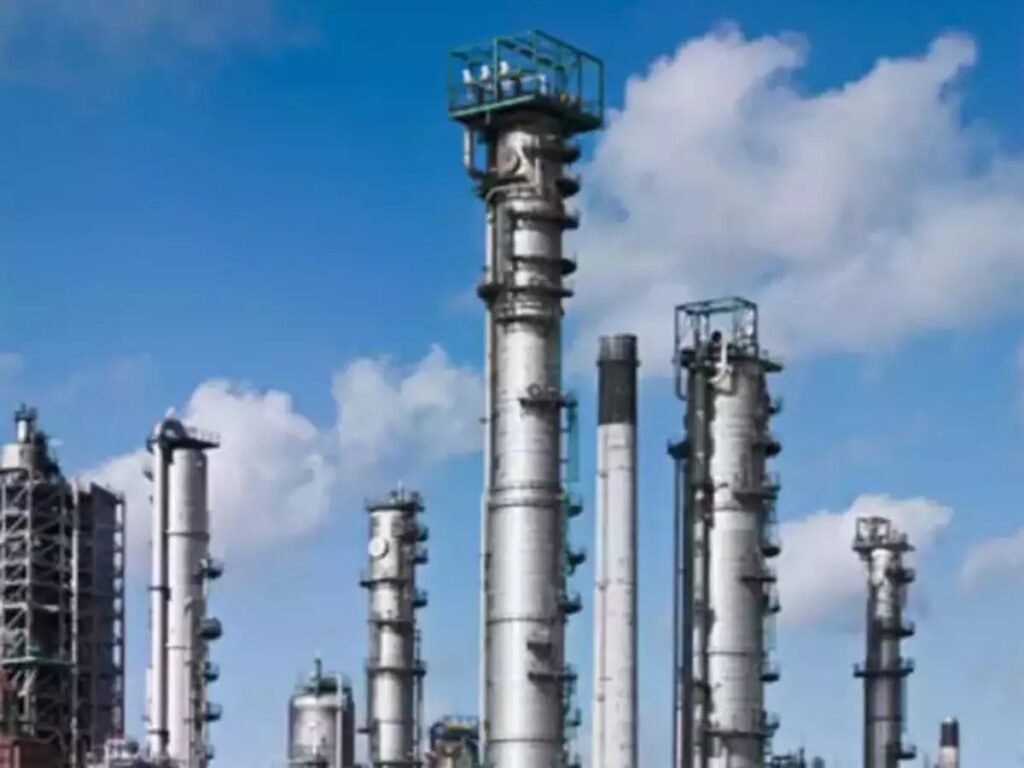
US Offers One-Month Sanctions Relief to Reliance
Sources indicate that the US government granted Reliance a temporary waiver allowing the company to continue purchasing crude from Russian state-owned producer Rosneft. Earlier, Washington had imposed stringent restrictions in October on Rosneft, Lukoil and other Russian energy firms, instructing foreign buyers to complete legacy deals by November 21.
With the fresh waiver, Reliance has been able to extend certain contracts for a limited period and take delivery of Russian crude shipments that would otherwise have run afoul of sanctions compliance.

Jamnagar Strategy: Russian Crude for Domestic Processing Only
Reliance operates a dual-refinery setup at Jamnagar:
- SEZ Refinery (Export Unit): Fuels and products manufactured here are primarily destined for export to global markets, including Europe and the US.
- DTA Refinery (Domestic Tariff Area): Processes crude for the domestic Indian market.
The company clarified that Russian crude will be processed exclusively in its domestic unit (DTA). This approach allows Reliance to adhere to export restrictions imposed by Western regulators that prohibit the import of fuels refined from Russian oil.
By keeping the SEZ export refinery “Russia-free,” Reliance ensures that products exported to Europe and other regions comply with regional sanctions.
EU’s Stricter Fuel Import Rules
The European Union (EU) recently announced that starting January 21, 2026, it will ban fuel imports from any refinery that has used Russian crude in the preceding 60 days. In response, Reliance has completely stopped Russian crude input in its SEZ export refinery, sourcing other grades of crude instead — primarily from the Middle East and other non-Russian suppliers — to avoid any trade disruptions in its export markets.
Economic Rationale: Cheap Russian Oil
India has significantly benefited from discounted Russian crude since the Russia–Ukraine conflict, with barrels priced substantially below global benchmarks. Reliance and Rosneft have a long-term agreement to transact roughly 25 million tonnes per year (approximately 500,000 barrels per day), though sanctions-related logistics had temporarily disrupted flows.
With the current waiver and the continued presence of non-sanctioned suppliers, Reliance aims to capitalize on cheaper Russian grades while still satisfying compliance requirements.
Diversified Crude Sourcing
When Russian supply was constrained in November, Reliance boosted imports from Iraq, Kuwait and Saudi Arabia by nearly 41%, as part of a flexible sourcing strategy to manage feedstock availability across its refining capacity.
As the company adjusts its procurement strategy, it seeks to strike a balance between complying with Western sanctions and maintaining productive commercial ties with Russian crude suppliers.
Economy India Analysis
Reliance’s latest move highlights the fluid dynamics of global crude trade amid geopolitical tensions and regulatory complexities. By segregating crude streams between its domestic and export units, the company has carved out a compliance-led solution that preserves market access while optimizing cost advantages.
Industry analysts say this hybrid strategy:
- Allows India’s largest refiner to tap cost-competitive feedstock
- Minimizes risk of export bans or penalties in key markets
- Demonstrates corporate agility in navigating sanctions environments
As India’s energy demand continues to grow and international trade rules evolve, reliance on diversified crude sources — and regulatory hedging — will likely remain key priorities for refiners.
(Economy India)